Panel Discussion on the Politics of Indigineity
Date:
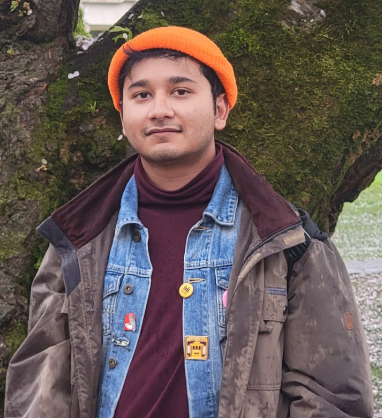
At the 2023 Center for Asian Studies symposium, I participated in a roundatble on indigineity, where I discussed how my research on language contact in the Eastern Himalayan Region intersects with questions of Indigineous identity and knowledge. I emphasized that research in this highly diverse region must be grounded in Indigenous epistemologies and sustained collaboration with speaker communities, rather than extractive or externally imposed frameworks.
I argued that colonial and postcolonial knowledge systems have profoundly shaped how indigeneity is constructed in Northeast India, particularly through assumptions such as the “one tribe, one language” model and broader tendencies toward homogenization in academic discourse. I also highlighted how the region is often marginalized within both South Asian and Southeast Asian studies, leading to analytical blind spots that obscure its diversity and long-standing connections across present-day national borders.
From a disciplinary perspective, I suggested that linguistics must critically re-evaluate its colonial foundations by asking whose knowledge systems it represents and how it can better reflect Indigenous realities. I also underscored the importance of supporting Indigenous language documentation in the region, noting both the relative vitality of many languages and the lack of institutional support for community-led research
Finally, I reflected on the challenges facing Indigenous sovereignty in the region, particularly the ways in which communities are positioned at the margins of competing state interests. While the future remains uncertain, I emphasized that Indigenous identities and affiliations in the Eastern Himalayan Region are historically deep and not adequately captured by modern nation-state boundaries.